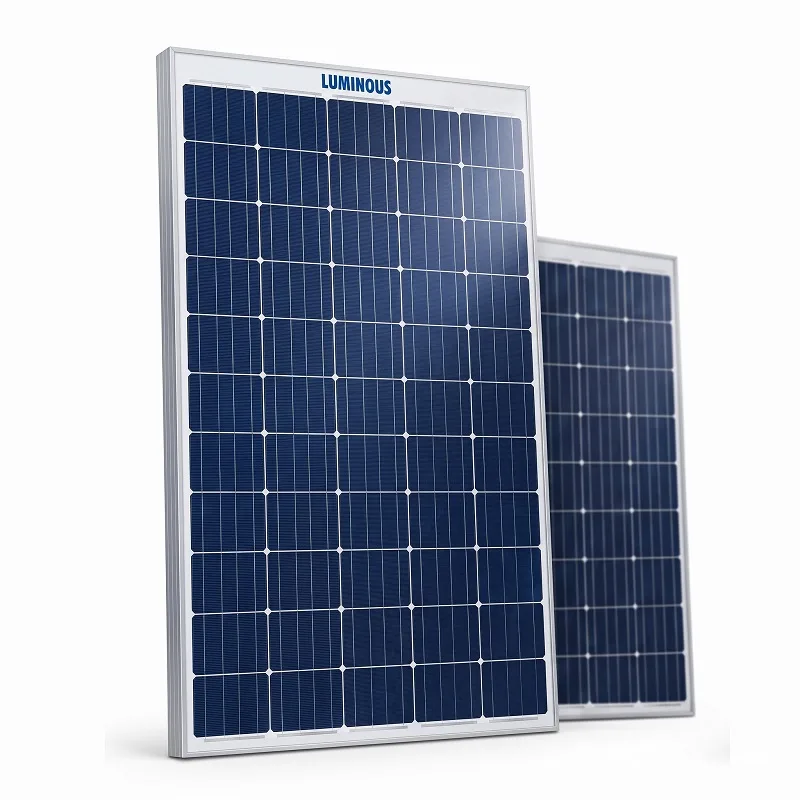
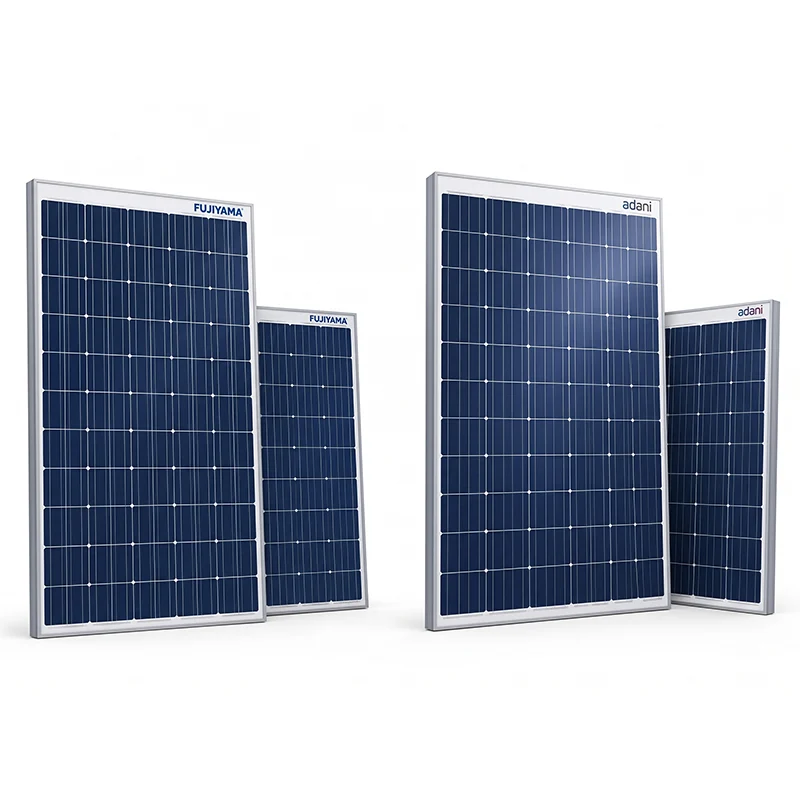


A solar panel is a device that converts sunlight into electrical energy through photovoltaic (PV) cells. These cells are made from semiconductor materials that generate an electric current when exposed to sunlight. The generated electricity is in the form of direct current (DC), which can be used to power electrical devices or stored in batteries for later use. Solar panels are also commonly referred to as solar cell panels, solar electric panels, or photovoltaic (PV) modules.
There are four major types of solar panels available on the market today: monocrystalline, polycrystalline, PERC (Passivated Emitter and Rear Cell), and thin-film solar panels. Each type differs in terms of efficiency, cost, durability, and suitability for various applications.
Monocrystalline solar modules are made from high-purity, single-crystal silicon, making them one of the most efficient types of solar panels available. They are easily identified by their black appearance and are widely used in residential, commercial, and industrial solar installations. These modules offer high power output, excellent durability, and better space efficiency compared to many other panel types. Their efficiency often exceeds 20%, depending on the technology used. However, the manufacturing process is complex and generates silicon waste, resulting in higher production costs. Many monocrystalline modules use half-cut cell technology, which reduces electrical losses and improves performance under partial shading. Due to their high efficiency and reliable performance, monocrystalline modules are a popular choice for modern solar power systems.
Polycrystalline solar modules are made from multiple silicon crystals melted together and formed into solar cells. They typically have a blue, speckled appearance and are widely used in residential, commercial, and industrial solar installations. These modules are generally less expensive to manufacture than monocrystalline panels because their production process is simpler and generates less silicon waste. However, their efficiency is usually lower, typically ranging from 15% to 18%, depending on the technology. As a result, they require more installation space to produce the same amount of electricity as monocrystalline modules. Polycrystalline panels offer reliable performance, reasonable durability, and an affordable option for solar power generation, making them suitable for installations where space availability and initial investment costs are important considerations.
28+ Years of Powering India’s Green Energy Transition, GREEN SOLAR & EV, a unit of G S INTERNATIONAL, has been delivering trusted solar and energy storage solutions since 1997, helping power India’s renewable energy future.
24, Ground Floor, Naveen Park, Sahibabad, Ghaziabad UP 201005
Khasra No. 1096, Sadiq Nagar, Vikas Nagar, Near RRTS Pillar No. 595, Meerut Road, Ghaziabad UP 201003
© Copyright 2026. Green Solar & EV. | All Rights Reserved | Design by- Keyword India Network Pvt Ltd.